

How Scrum
Improves
Project
Delivery
Scrum helps teams deliver meaningful outcomes sooner, respond to change with less friction, and keep business priorities at the center of execution. Instead of waiting until the end of a project to realize value, Scrum encourages steady progress, frequent validation, and faster acceptance.
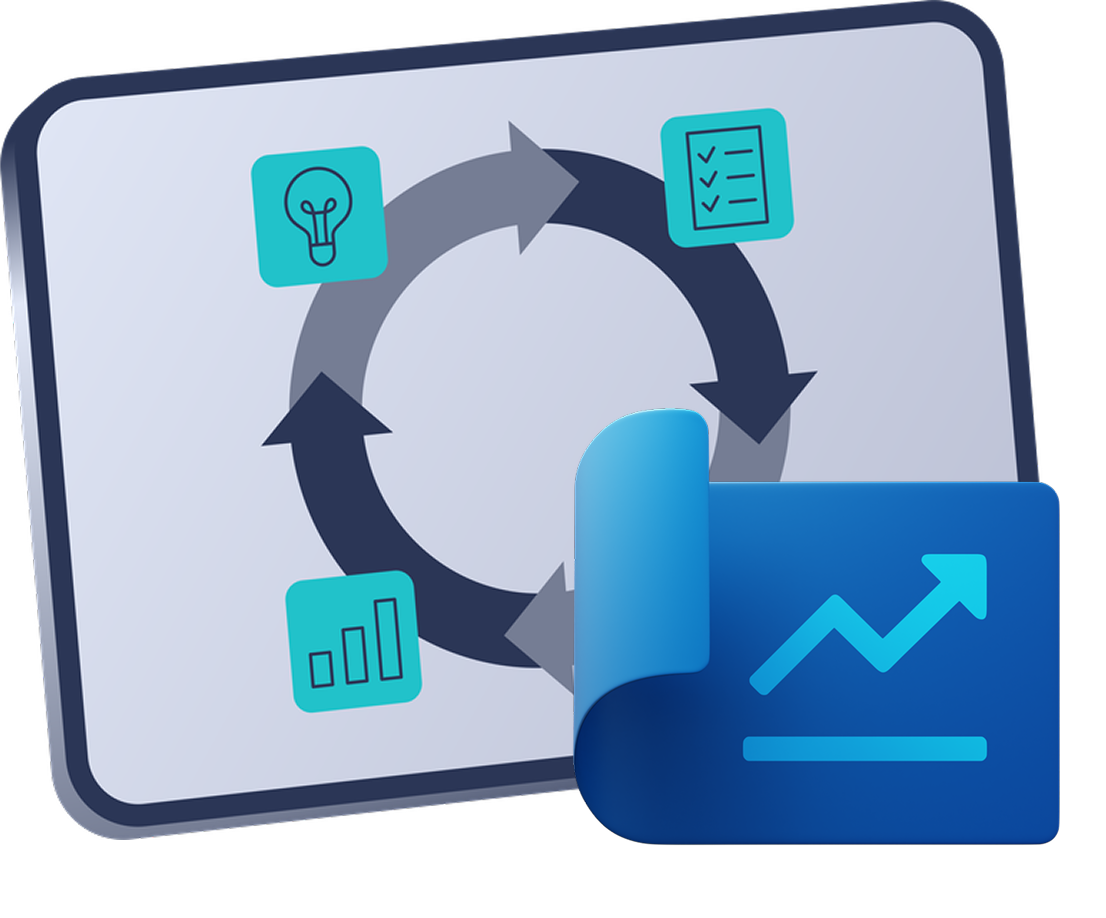
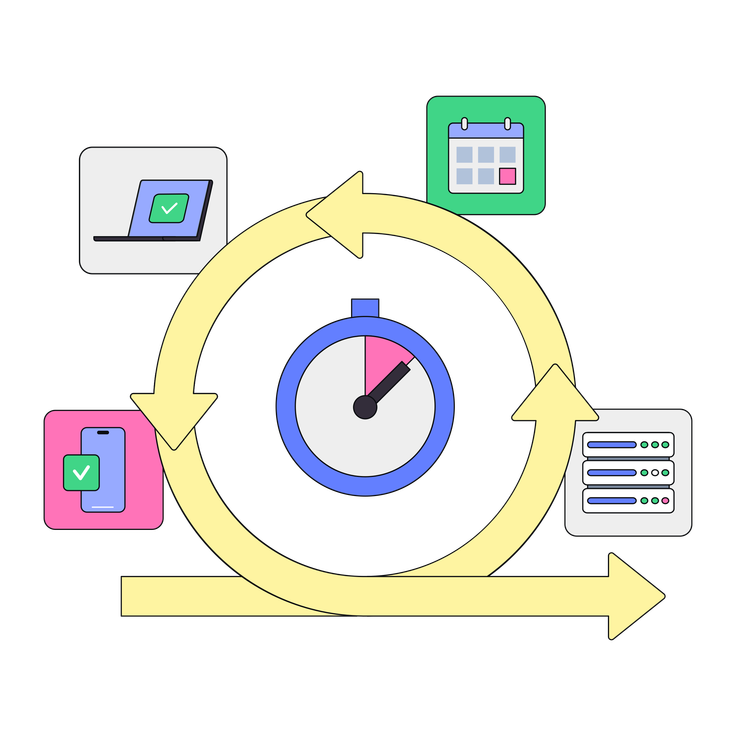
Scrum improves project delivery by focusing on business value, shorter feedback cycles, incremental releases, and continuous alignment between teams and stakeholders.
Why project delivery improves with Scrum
Projects are created to generate value, whether through a new product, service, capability, or business outcome. Scrum strengthens delivery by making value visible throughout the project, not just at the finish line.

Value comes first
Work is prioritized based on what matters most to the business. This helps teams focus on delivering the highest-value items earlier instead of treating all requirements as equally urgent.

Early delivery builds momentum
Scrum encourages delivery in increments. Stakeholders can see progress sooner, review usable outputs earlier, and gain confidence as value starts appearing throughout the project.

Feedback improves outcomes
Frequent reviews make it easier to validate direction, refine expectations, and adjust the backlog before too much time and budget are spent on lower-priority work.

Change is easier to absorb
When priorities evolve, Scrum allows teams to adapt in a structured way. This reduces the delay and overhead often associated with large, formal change processes.

Stakeholders stay involved
Regular interaction between business stakeholders and delivery teams increases transparency, improves decision-making, and reduces the risk of late-stage surprises.

Acceptance happens faster
Because deliverables are reviewed and refined continuously, the final outcome is more likely to match business needs and gain quicker client or stakeholder acceptance.
Scrum vs. traditional delivery approach
In many traditional models, value is often realized near the end of the project, changes can be difficult to handle, and requirements may not always be ranked by business impact. Scrum takes a more adaptive path.

Traditional Approach
- Requirements may be gathered early and locked for long periods
- Business value is not always the main driver of delivery order
- Change requests can become slow and process-heavy
- Stakeholders may wait longer to see usable outcomes
- Value is often measured near project completion

Scrum Approach
- Work is prioritized according to business value
- Useful increments can be delivered early and often
- Changing needs can be incorporated more smoothly
- Stakeholders review progress regularly
- Value is created and validated throughout the project lifecycle
How Scrum creates better delivery outcomes
Better delivery is not just about speed. It is about delivering the right work, at the right time, with continuous visibility and business alignment.
Prioritize
Focus first on the work that offers the greatest value.
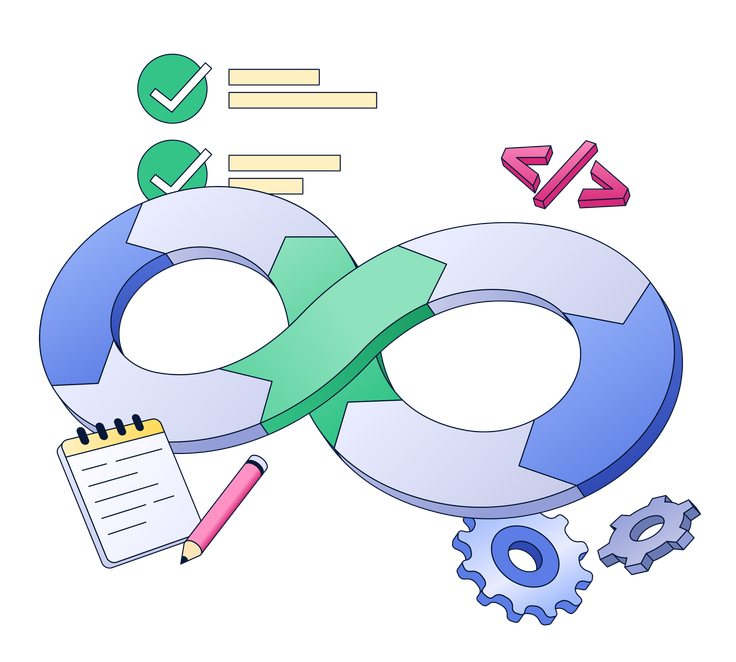
Deliver
Release progress in smaller increments rather than waiting for one final handoff.
Review
Gather stakeholder feedback regularly and validate what has been delivered.
Adapt
Refine priorities and direction based on feedback, learning, and business needs.