

Scrum in 6 Minutes
Scrum is one of the most popular Agile methodologies. It is an adaptive, iterative, fast, flexible, and effective methodology designed to deliver significant value quickly and throughout a project. Scrum ensures transparency in communication and creates an environment of collective accountability and continuous progress.
A quick overview of Scrum
Scrum helps organizations realize value earlier by delivering the most important work first and improving direction through regular feedback. This reduces waste, improves resource use, and keeps teams aligned with business priorities.
Foundation & Vision
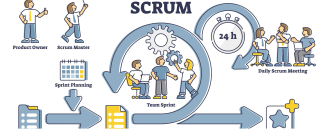
The Framework: A versatile structure supporting any industry or project complexity.
The Powerhouse: Relies on cross-functional, self-organized, and empowered teams.
Starting Point: Initiated by a Stakeholder Meeting to define the Project Vision.
The Roadmap: The Product Owner crafts the Prioritized Product Backlog, translating requirements into actionable User Stories.
The Execution Cycle
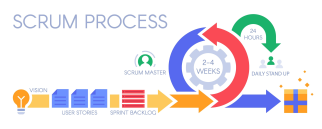
Sprint Planning: The team selects high-priority User Stories to tackle in the upcoming cycle.
The Sprint: A concentrated work cycle lasting 1 to 4 weeks focused on creating "potentially shippable" increments.
Daily Stand up: Highly focused daily touch points where the team synchronizes progress and identifies hurdles.
Review & Evolution
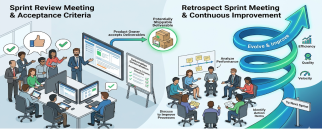
Sprint Review: A demo for stakeholders and the Product Owner to inspect the new Deliverables.
Quality Gate: The Product Owner accepts work only if it meets the predefined Acceptance Criteria.
Retrospect Sprint: The final step where the team reflects on their process to optimize performance for the next cycle.
Continue exploring Scrum
After this quick overview, guide learners to deeper topics such as What is Scrum, Scrum Principles, Scrum Aspects, Scrum Phases and Processes, and Scrum certifications.